By Subhranil Dhar — Writer of Hercules and Me | Inclusion Education Advocate
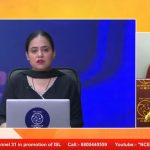
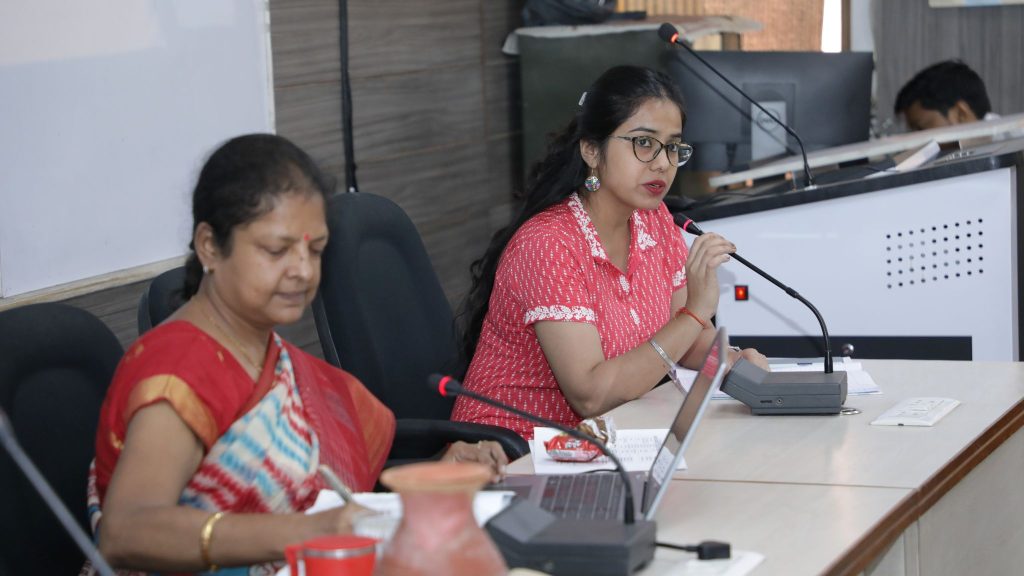
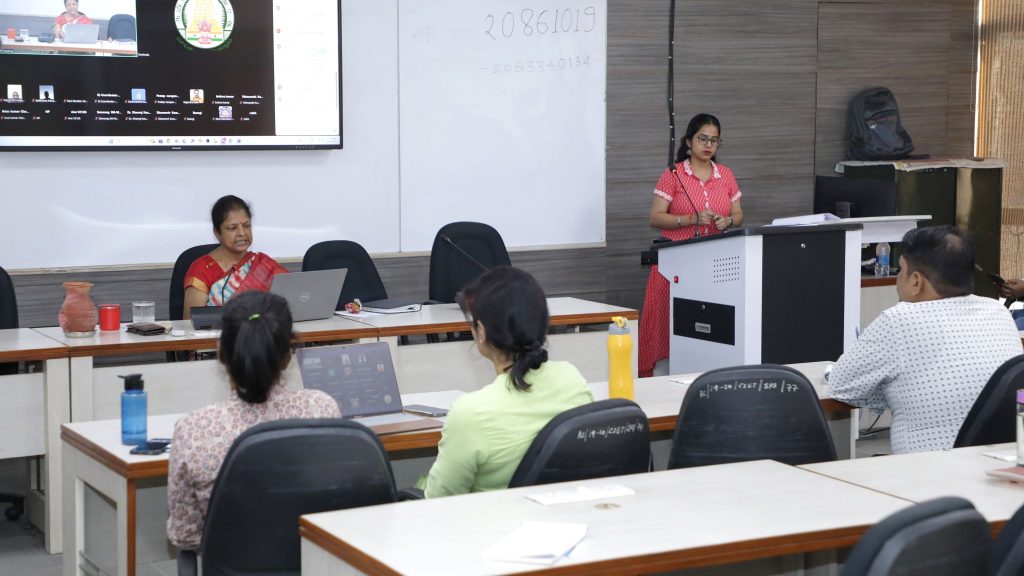
On 24 October 2025 I joined a national warm-up webinar organized by CIET–NCERT under the Ministry of Education — Celebrating Dyslexia: State Strategies. The session brought together State Inclusive Education Coordinators and representatives from all 36 states to share ground-level practices, tools and interventions supporting learners with Specific Learning Disabilities (SLD). It was a powerful reminder that inclusive
education must be a coordinated, state- and classroom-level effort.
I was deeply honoured to be part of the program and to share my lived experience of discovering dyslexia later in life. The warm-up was presided over and guided with great care by Prof. Bharti Kaushik, whose supportive presence helped calm my nerves before the larger national sessions on October 28 and 30.
Why this state-level conversation matters
Large-scale inclusion requires local solutions. The webinar highlighted practical tools being used across states — such as PRASHAST, Oral Reading Fluency (ORF) assessments, and Resource Rooms — and focused on how state coordinators can strengthen early identification, teacher training and resource deployment. When states coordinate, teachers and students get the scaffolds they need in classrooms right away.
My contribution: lived experience that supports early identification
I shared how discovering dyslexia later in life reframed my relationship with learning. My anecdote focused on:
- The emotional cost of late identification (misunderstanding, low confidence).
- Concrete signs teachers and coordinators can notice early (persistent letter/number reversals, slow decoding, avoidance of reading tasks).
- Why early, state-supported screening and resource allocation (training + simple TLMs) make a real difference.
Prof. Bharti Kaushik’s encouragement before my talk made the moment gentler — her emphasis on NEP-2020’s vision (nurturing every learner’s potential) echoed throughout the session.
State strategies & classroom-ready takeaways (what the webinar shared)
- PRASHAST & ORF: helpful screening and fluency tools that can be scaled across districts for initial identification.
- Resource Rooms: critical hubs for small-group remediation and teacher collaboration.
- Teacher training at scale: short, practical modules that help general teachers use multisensory methods and make daily classrooms accessible.
- Early screening + referral pathways: identify learners early, give immediate classroom accommodations, and refer for specialized support only when needed.
- Community & parent engagement: family awareness reduces stigma and helps sustain learning at home.
A personal note of gratitude
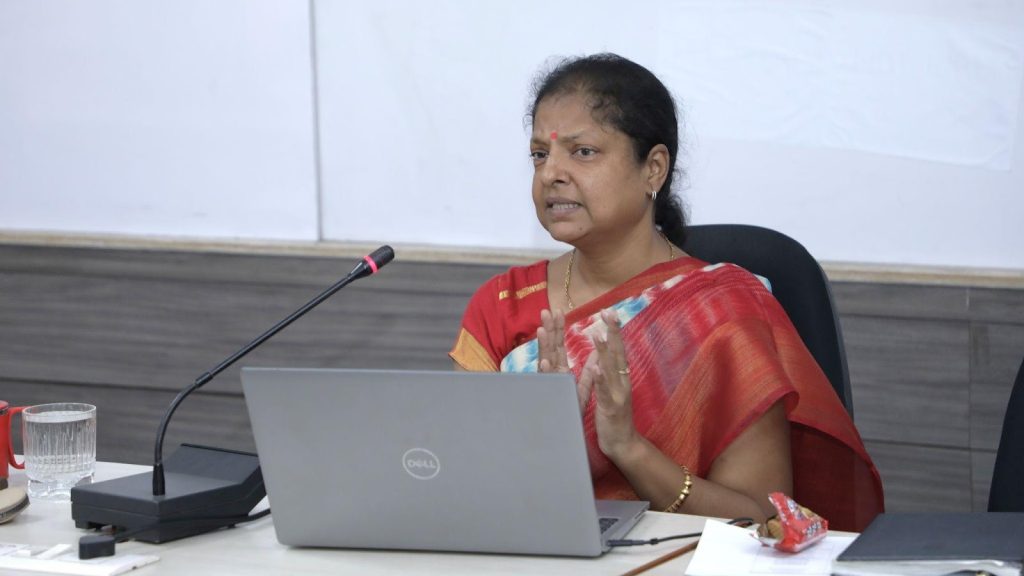
Thanks to Prof. Bharti Kaushik and CIET–NCERT for the warm platform, and to all the state coordinators who shared frank, practical interventions. The energy in that national conversation proved how much can be achieved when policy, practice and lived experiences meet.